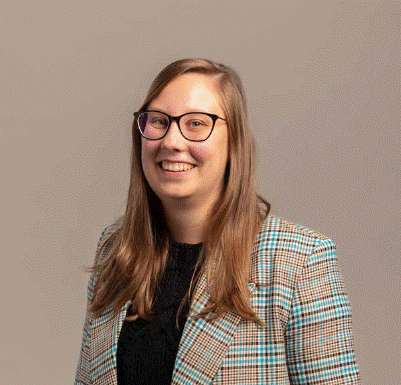
She is young, female and an inspector in the construction sector. Not an obvious combination, but for Shiara Uyttersprot (28), inspector at certification and inspection body COPRO, it feels like the most normal thing in the world. She has been working at COPRO for two years, where she is responsible for the product control of recycled aggregates. A job she discovered by chance, but which she would recommend to all – men and women.
How did you get into the construction industry?
“Honestly? Quite a coincidence”, she says with a smile. “I am a bioengineer by training, with a specialisation in food biotechnology. When I graduated, I didn’t immediately find a job in that sector. Jobs often required experience, which of course I didn’t have yet. COPRO was my first real opportunity, and I went for it. I’ve been working here for two years now, and I haven’t regretted it for a second.”

What exactly does your job entail?
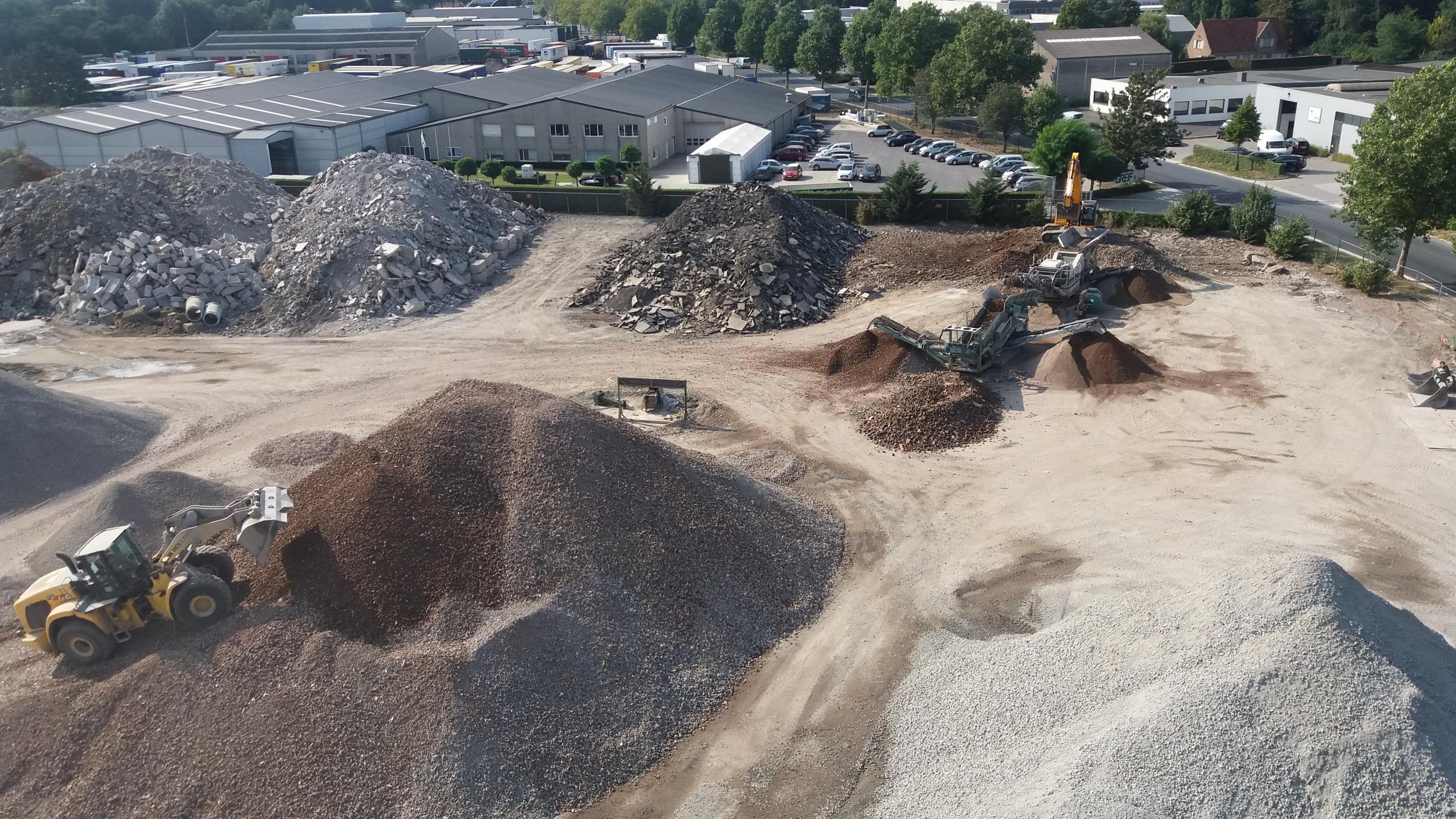
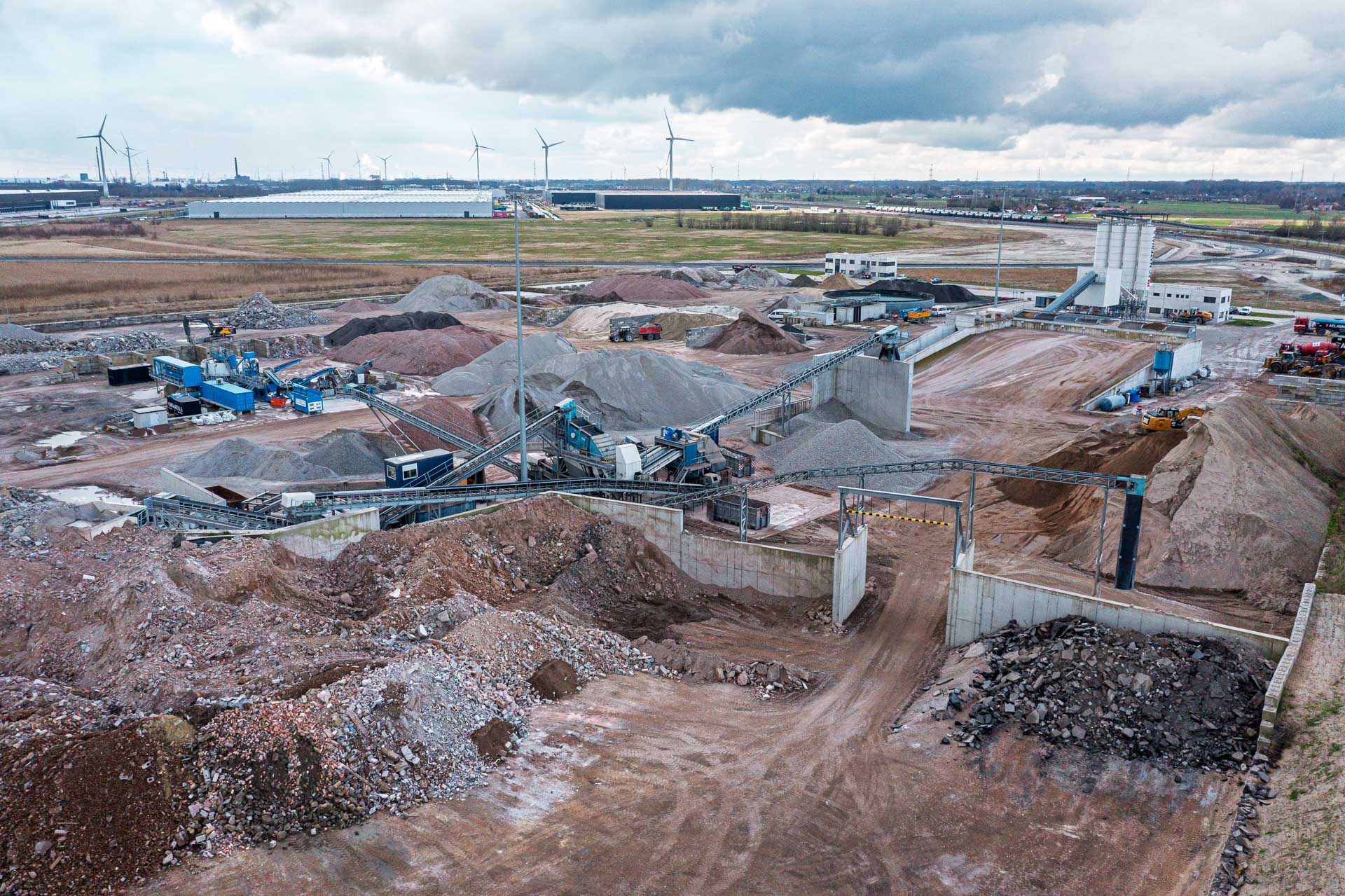
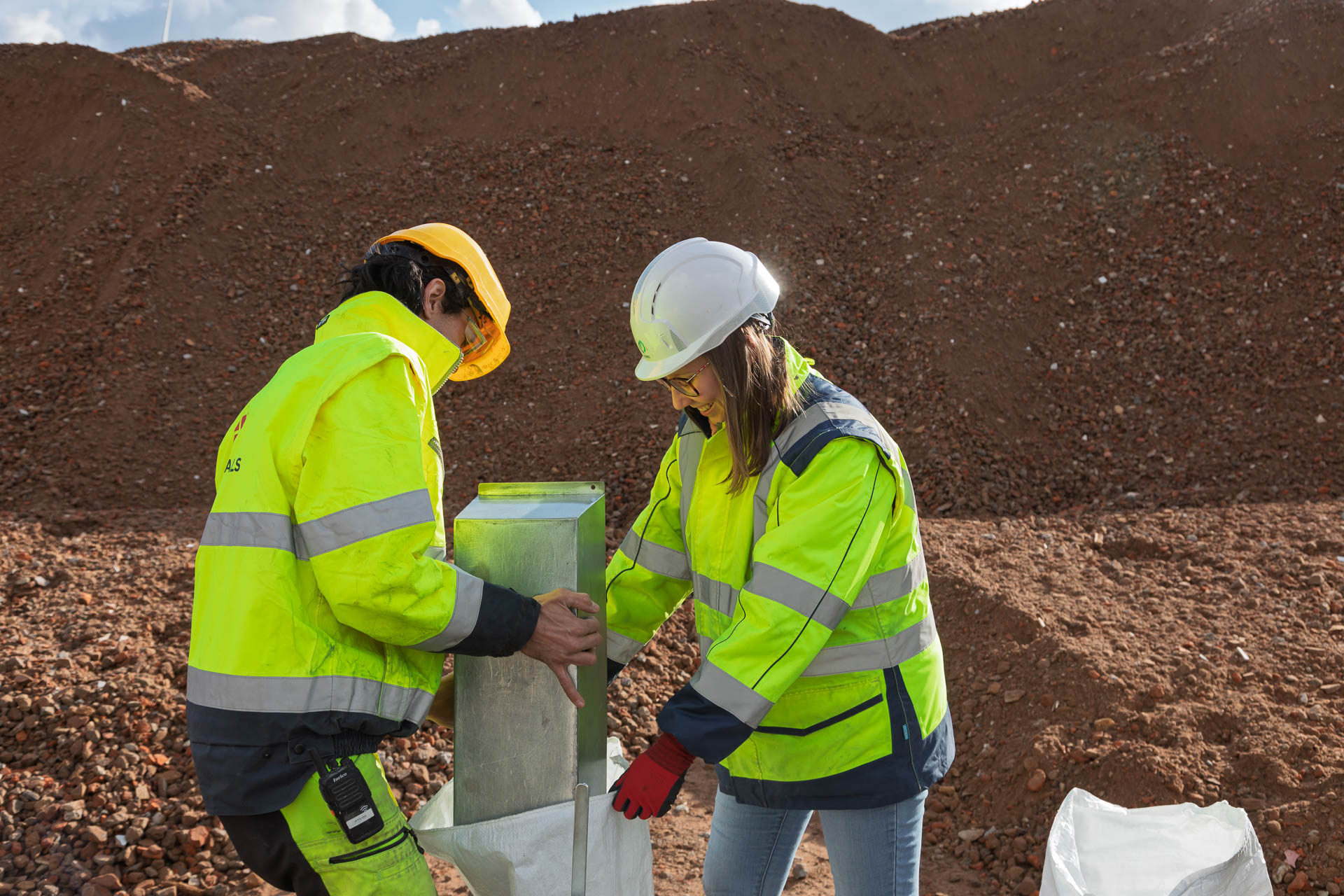
“One of COPRO’s areas of expertise is delivering quality labels for recycled aggregates. As an inspector, I check whether these products meet the certification requirements. In practice, I visit crushing sites that produce the recycled aggregates. When a building or street is demolished, the rubble ends up with them. They break it down into reusable materials, and we provide these aggregates with the BENOR quality label for construction technology and the COPRO label for environmental hygiene performance.”

I never thought I’d end up in construction – and now I don’t want to leave.
You have a rather atypical profile. What are the biggest challenges for you?
“The biggest challenge is without a doubt the knowledge itself. My education was about nutrition, and suddenly I found myself between concrete and rubble. But it remains quality control, just of a different product. Fortunately, I get a lot of support from colleagues and I learn quickly. What I also like is the variety. No two days are the same. You come into contact with many different people, and there are always unexpected situations that you have to solve. That keeps it interesting.”
The construction sector is often seen as a man’s world. Do you experience it that way too?
“Yes, that image is partly correct. At COPRO, we have four female inspectors out of fifteen in the aggregate team. You mainly encounter men at the breaking sites. Manual labour also poses a barrier for women. No matter how you look at it, it remains physically demanding work. Yet I see a shift taking place. More and more women are not deterred by the harsher perception of the construction sector and are choosing positions such as quality manager. These positions are also gaining importance: in order to make the construction sector more sustainable, it is essential that we give products and materials a second life without compromising on quality.”
Don’t let the clichés hold you back.

How in your opinion can we break through the perception of a ‘man’s world’?
“By bringing women more into the picture. Show that we also have our place in this sector. It starts with the choice of studies: in technical fields there are still more men than women. But in the end, a diploma isn’t everything. You learn the most on the job. If you are interested, don’t let clichés hold you back.”
By giving women more visibility in construction, we break through the perception of a ‘male bastion’.
To close: what do you think are the biggest challenges in recycling rubble into recycled aggregates?
“Contamination in the rubble is increasing. More and more different materials are being used in construction, so it is important that everything is properly separated during demolition. Selective demolition becomes crucial. At the same time, the requirements for recycled products are becoming stricter. That is both a challenge and a positive evolution. It ensures that quality remains high, which is good for the image of the sector. We are increasingly evolving from ‘rubble is waste’ to a fully-fledged, circular building material.”
This article appears in the magazine Recycle Pro.